
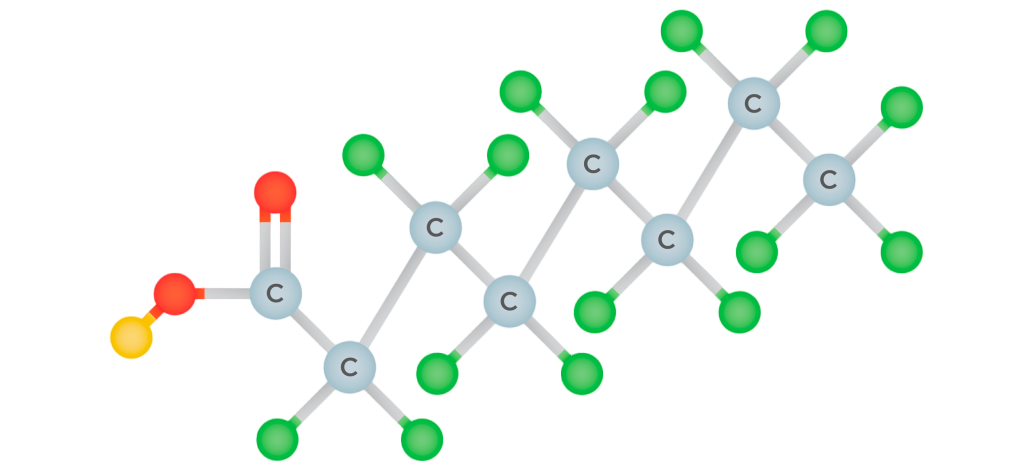
PFAS (per- and polyfluoroalkyl substances) are widely used in textiles, especially in outdoor sportswear, protective clothing, and outdoor gear, due to their excellent water-, oil-, and stain-resistant properties. However, PFAS are extremely resistant to degradation in the natural environment, exhibiting persistence and bioaccumulation. Once they enter the human body, they are difficult to eliminate and can accumulate over time, potentially weakening the immune system, damaging the liver, and increasing the risk of cancer, as well as posing long-term ecological impacts. Recently, France officially passed a new decree banning the use of PFAS in consumer products.
On December 30, 2025, the French government issued Decree No. 2025-1376, introducing strict measures to prevent PFAS-related risks while explicitly excluding second-hand clothing from the restriction.
According to the newly published government decree, the PFAS ban will apply from January 1, 2026, to new textiles, footwear, and water-repellent products on the French market, prohibiting the manufacture, import, export, and sale of products containing PFAS. The decree also specifies concentration thresholds, compliance timelines, and exemptions for specific sectors. Existing inventories produced before this date are granted a 12-month transitional period for sale. However, second-hand clothing containing PFAS, including legacy items treated with water- or stain-repellent finishes, will be allowed to continue circulating in France’s second-hand market.
This exemption allows the resale, donation, and reuse of PFAS-treated textiles, reflecting policymakers’ concern over the environmental and social trade-offs of removing large quantities of existing clothing from circulation. French authorities acknowledged that immediately restricting second-hand garments could undermine circular economy goals and increase textile waste—especially given the widespread use of PFAS in older apparel.
The decree sets the following residual concentration thresholds for PFAS compliance:
· 25 ppb (excluding polymers)
· Total perfluorooctane sulfonic acid (PFOS) at 250 ppb (including precursor degradation, excluding polymers)
· Total fluorine content at 50 ppm (including polymers)
If the total fluorine content exceeds 50 mg F/kg, manufacturers, importers, exporters, or producers must provide evidence upon request from authorities demonstrating that the fluorine originates from PFOS or non-PFOS substances.
Certain exemptions are permitted, particularly for:
· Personal protective equipment (PPE) under EU Regulation 2016/425;
· Military and civil protective gear;
· Textiles and footwear containing at least 20% recycled materials, where PFAS are limited to the recycled fraction.
The decree implements provisions from Law No. 2025-188, adopted earlier this year, aimed at protecting public health and the environment from PFAS-related risks. The regulation aligns with EU standards and anticipates future technical updates under European chemical safety regulations. The Ministry for Ecological Transition emphasized that these measures aim to reduce exposure to PFAS, given their environmental persistence and potential health hazards.
This approach reflects a broader debate among European regulators over how to manage “legacy” chemical risks in textiles while promoting reuse, recycling, and extended product lifecycles. While new PFAS-containing products will face progressive restrictions, regulators opted for a phased transition to avoid penalizing resale platforms, charity shops, and export-oriented second-hand traders.
For global apparel exporters, including suppliers in Bangladesh, the decree underscores the need to clearly separate compliance strategies for new product launches from those for resale and reuse channels. Industry observers note that brands supplying France and the wider EU market will now face tighter chemical management, disclosure requirements, and scrutiny of PFAS-free materials in future collections—even as legacy inventories remain legally tradable.